
Ever wondered why deep bass can send shivers down your spine or make your heart race? Understanding the science behind deep bass can enhance your listening experience in profound ways. In this article, we explore the intricate relationship between sound waves, human perception, and the impact of bass on popular culture, shedding light on how to incorporate this knowledge into your social media post: The Science Behind Deep Bass.
Table of Contents
- Quick Takeaways
- What is Deep Bass?
- The Physics of Sound
- How Bass Affects Listening Experience
- Bass in Popular Culture
- Comparison of Bass Levels
- Frequently Asked Questions
- References
Quick Takeaways
|
Key Insight |
Explanation |
|---|---|
|
Deep Bass Frequency Range |
Deep bass typically falls between 20 Hz and 200 Hz, which is critical for immersive sound. |
|
Physical Effects of Bass |
Deep bass can induce physical reactions like vibrations, enhancing emotional responses. |
|
Bass and Psychology |
The presence of deep bass has been shown to impact mood and social dynamics positively. |
|
Techniques to Enhance Bass |
Using subwoofers and EQ adjustments can significantly enhance the bass experience. |
|
Bass in Different Genres |
Genres like hip-hop, electronic, and pop heavily utilize deep bass to engage audiences. |
What is Deep Bass?
Deep bass refers to the low-frequency sound waves that fall within the range of 20 Hz to 200 Hz. This frequency range is primarily responsible for the low-end sounds we find in music, movies, and other audio experiences. The perception of bass is unique because it not only hinges on our ears but also on our entire body, which can feel these vibrations.
The Physics of Sound
Sound is a form of mechanical wave that propagates through a medium. The scientific principles behind sound waves can help us understand deep bass. These waves are characterized by their frequency, amplitude, and wavelength.
“The lower the frequency, the longer the wavelength and the more it intertwines with our physical presence.”
This means that lower frequencies, like deep bass, can resonate through solid objects, including our bodies, creating a richer auditory experience.
How Bass Affects Listening Experience
Deep bass enhances the overall listening experience by adding depth to music and sound. It engages listeners on an emotional level. Studies have shown that the presence of deep bass can enhance excitement and creativity. Strong basslines can make an audience feel energized and connected to the music.
Pro tip: Always look for the subtle variables that your competitors miss; that’s where the greatest marginal gains are hidden.
Practical Nuances
When crafting a social media post: The Science Behind Deep Bass, consider your audience’s existing knowledge and preferences. Tailoring content around relatable audio experiences can foster engagement. For instance, using references to popular tracks or genres with notable bass can resonate more deeply with readers. Additionally, including technical aspects like waveforms in your visuals can provide a clear understanding of the subject.
Bass in Popular Culture
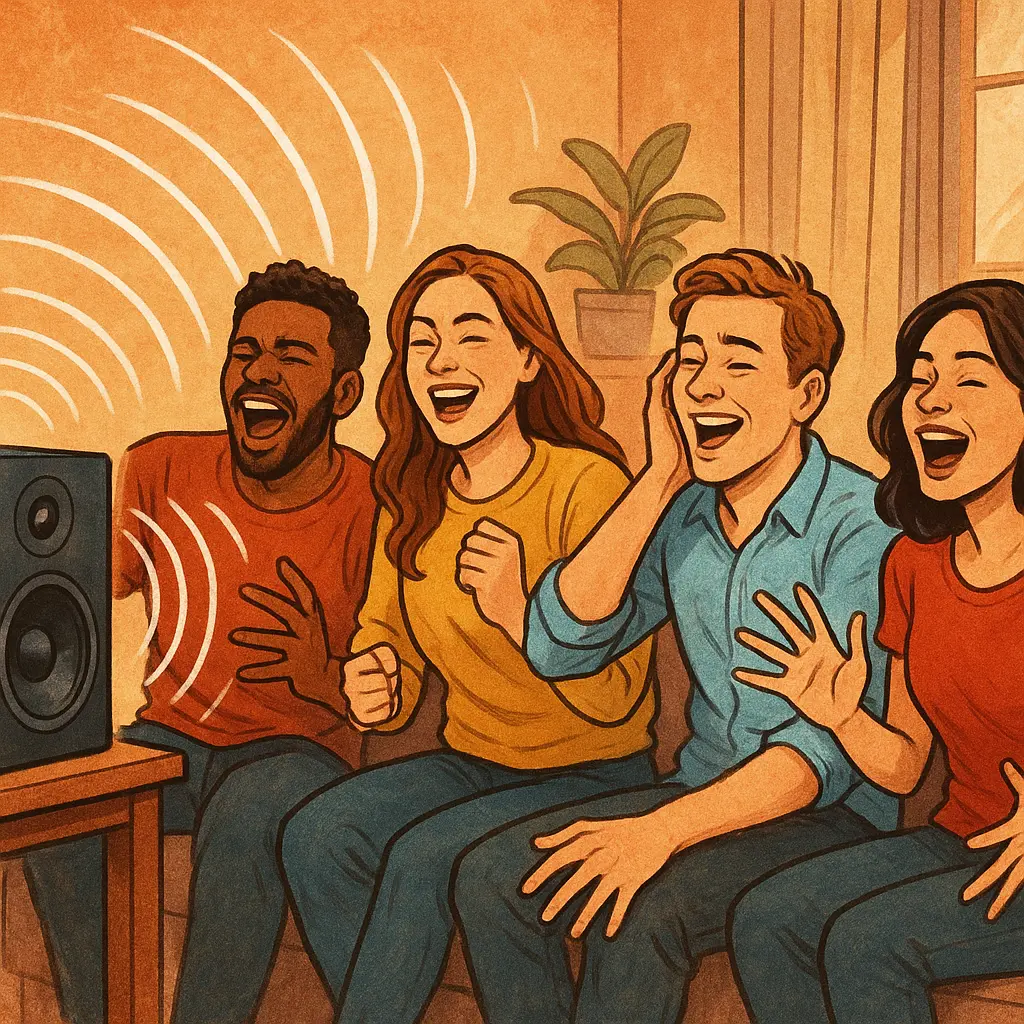
Deep bass is a staple in various genres, particularly in electronic dance music (EDM), hip-hop, and even in cinematic scores. Well-produced bass can evoke strong emotions and creates a memorable atmosphere. Songs like Travis Scott’s “Sicko Mode” and The Weeknd’s tracks are perfect examples of how impactful deep bass can be in modern music, driving engagement and popularity among fans.
Comparison of Bass Levels
|
Bass Level |
Genre |
Typical Use |
|---|---|---|
|
Sub-bass |
Dubstep, EDM |
Creates a thrilling and immersive experience. |
|
Low bass |
Hip-Hop, R&B |
Enhances vocal warmth and richness. |
|
Mid-bass |
Rock, Pop |
Adds punch to drums and drive to rhythms. |
Strategic Framework for Execution
In a landscape defined by rapid iteration and shifting priorities, success belongs to those who maintain a rigorous focus on fundamental principles. It’s not enough to implement tactics; one must understand the underlying architecture of authority that drives sustainable results. Scaling this process requires both technical precision and a deep alignment with user expectations, ensuring that every interaction delivers measurable value.
By prioritizing Clarity and Depth over simple volume, organizations can build the trust necessary to lead their respective markets. This commitment to quality acts as a force multiplier, amplifying the impact of every subsequent effort and creating a resilient foundation for long-term growth.
Frequently Asked Questions
What is the ideal bass frequency for music?
Most music benefits from bass frequencies between 50 Hz to 80 Hz for a balanced sound experience.
Can too much bass be harmful?
Excessive bass can lead to auditory fatigue and can make audio unbalanced if not well managed.
Why is bass important in movies?
Bass adds dramatic effect and helps set the emotional tone of a scene, enhancing viewer engagement.
How can I enhance the bass on my audio system?
Use subwoofers, adjust equalizer settings, and ensure proper speaker placement for optimal bass performance.
What genres utilize deep bass effectively?
Genres like dubstep, hip-hop, and electronic music often rely heavily on deep bass for their foundational sound.
We’d love to hear your thoughts on deep bass. How do you think it affects your music listening experience?
Leave a Reply